How to Choose an Electric Scooter for Daily Commuting
October 30, 2026
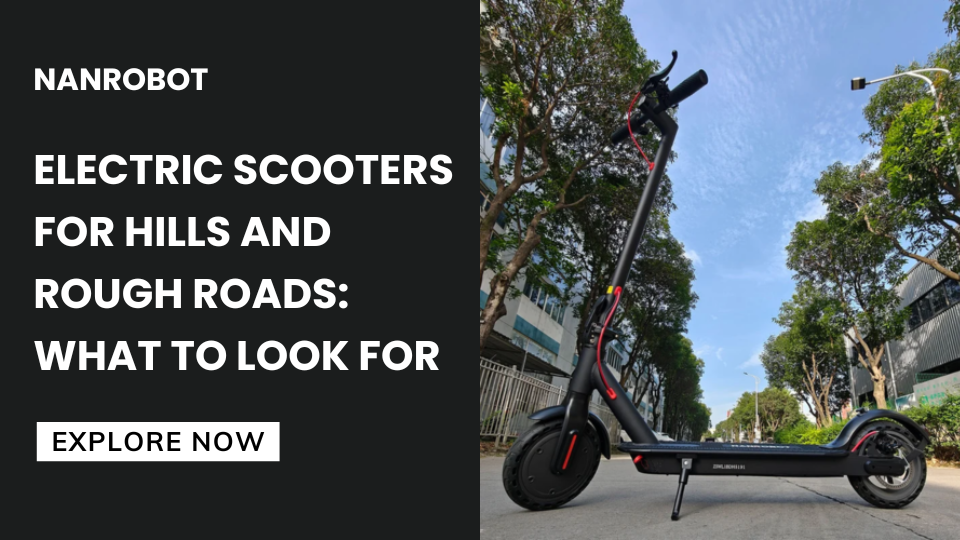
Riding on steep streets, uneven pavement, and rough outdoor paths requires more than an ordinary electric scooter. Electric scooters for hills need an appropriate combination of motor power, torque, battery capacity, tire grip, and suspension to handle demanding riding conditions. Choosing the wrong model can lead to reduced performance on inclines, uncomfortable rides, and unnecessary strain on the scooter. Before purchasing, it is important to understand which specifications actually matter and how they affect everyday performance. NANROBOT offers several performance-focused electric scooters with features such as dual motors, pneumatic tires, and suspension systems. Understanding these features can help you compare available models and find an option that matches your preferred riding environment.
1. Why Motor Power Matters on Hills
Motor power is one of the first specifications to examine when selecting an electric scooter for uphill riding. A motor helps determine how effectively a scooter accelerates and maintains movement under different riding conditions.
Some scooters use a single motor, while others feature dual-motor configurations. Dual-motor designs can provide power to both wheels, depending on the model, which may help distribute traction and improve performance on challenging routes.
However, higher wattage does not automatically guarantee better hill climbing. Other factors also influence performance, including:
- Rider weight and total load.
- Steepness and length of the incline.
- Battery charge level.
- Motor controller configuration.
- Tire condition and road surface.
Look at continuous and peak motor ratings where available instead of comparing only the largest advertised number.
2. Understand Torque and Climbing Ability
Torque is especially important when discussing uphill electric scooter performance. It describes rotational force and influences how effectively a motor can move a load from a slower speed.
A scooter with suitable torque may handle inclines more effectively than a model designed primarily for flat roads.
When comparing scooters, examine the manufacturer’s climbing-angle specifications. Remember that advertised climbing capabilities are generally measured under particular testing conditions. Rider weight, surface traction, battery condition, and incline length can affect actual results.
If your regular routes include steep streets, prioritize a scooter specifically designed for higher-performance riding rather than choosing exclusively by maximum speed.
3. Choose Tires for Better Road Grip
Tires influence traction, stability, and riding comfort. The right type depends on where you plan to use your electric scooter.
Pneumatic tires: These contain air and can provide cushioning over small bumps. They may be suitable for mixed road conditions, although they require regular pressure checks and can develop punctures.
Tubeless tires: These do not use a traditional inner tube and may offer convenient maintenance depending on their construction. Check the manufacturer’s maintenance recommendations.
Off-road tires: These generally feature more pronounced tread patterns designed for loose or uneven surfaces. Their suitability depends on the terrain and scooter configuration.
For hilly routes, tire grip deserves particular attention because loose gravel, wet pavement, and steep surfaces can affect traction. Avoid assuming that an off-road tire makes every surface safe.
4. Suspension Makes Uneven Roads More Comfortable
Suspension is another important feature when comparing electric scooters for rough roads. Potholes, gravel, cracked pavement, and uneven surfaces can create repeated vibrations during a ride.
Front and rear suspension systems are designed to absorb some of these impacts. Their effectiveness depends on the suspension type, adjustment, scooter weight, and road conditions.
Consider these details before choosing:
- Whether suspension is fitted at the front and rear.
- Whether the system is adjustable.
- Whether replacement components are available.
- Whether the suspension matches your typical riding surface.
A well-designed suspension system may improve comfort and control, but riders should still avoid large potholes, obstacles, and unsuitable trails.
5. Battery Capacity and Riding Performance
The battery supplies the energy required by the scooter’s motor and electrical components. Uphill riding can demand more energy than traveling on flat roads, potentially reducing the distance available from a charge.
Battery voltage and amp-hour capacity are useful specifications when comparing models. Together, they provide information about the battery’s electrical capacity.
Before selecting a scooter, consider:
- Advertised range and testing conditions.
- Battery voltage and amp-hour rating.
- Charging time.
- Battery replacement availability.
- Charging and storage instructions.
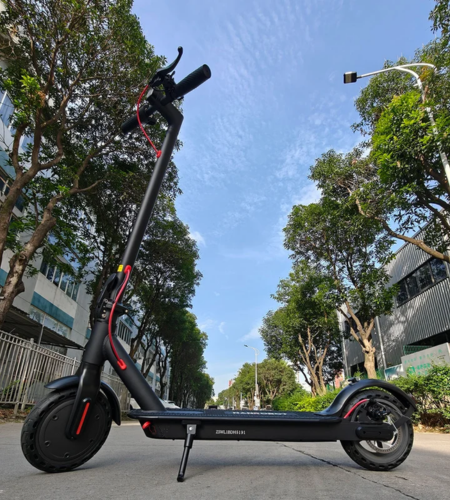
A larger advertised range does not guarantee the same distance on steep terrain. Keep an additional range allowance for inclines and other demanding conditions.
6. NANROBOT Scooters for Challenging Riding Conditions
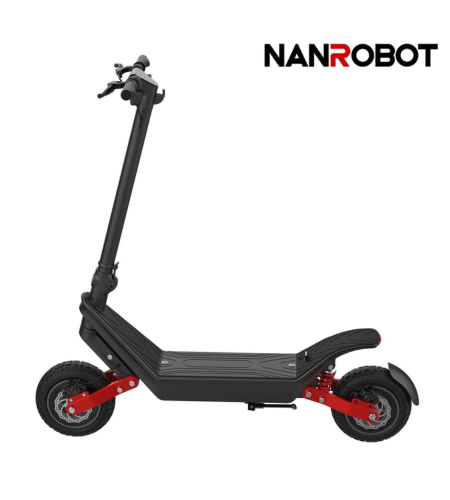
NANROBOT offers several electric scooter models with different performance configurations. Two options worth comparing are the G2 and X10.
NANROBOT G2
The G2 is available in single-motor and dual-motor configurations. Its listed specifications include an 800W rear motor option and a dual-motor configuration with two 1000W motors.
The dual-motor version also features a 48V 20.8Ah battery, advertised range of 25–28 miles, and a maximum listed speed of 37 mph. Its 10-inch pneumatic all-terrain tires and dual spring suspension are relevant features for riders considering uneven paths and urban inclines.
NANROBOT X10
The X10 features two 1000W motors, 11-inch semi-off-road tires, and full suspension. Its detachable 48V 18.2Ah battery is designed to make indoor charging more convenient.
The official listing advertises a maximum range of 62 miles and a maximum speed of 25 mph. It also includes a triple-braking system and folding construction.
Both models have different configurations and intended uses. Compare their dimensions, weight, battery specifications, and current availability before deciding which one suits your requirements.
7. Braking and Safety on Inclines
Uphill capability is only one part of choosing a suitable scooter. Safe downhill control and predictable braking are equally important.
Check the braking system, tire condition, lighting, handlebar stability, and recommended load capacity.
Hydraulic and disc braking systems have different designs and maintenance requirements. Read the manufacturer’s instructions to understand how the braking system works on your selected model.
For safer riding:
- Wear an appropriately certified helmet.
- Reduce speed before descending.
- Avoid sudden braking on slippery surfaces.
- Maintain sufficient tire pressure.
- Inspect brakes and suspension regularly.
- Follow local road and electric scooter regulations.
Never assume a scooter’s maximum climbing angle means it can safely descend the same slope.
Frequently Asked Questions
1. Are dual-motor electric scooters better for hills?
Dual-motor scooters can provide additional driving power and traction, depending on their design. Actual climbing performance also depends on torque, rider weight, battery condition, and terrain.
2. What tire type is suitable for rough roads?
Pneumatic and off-road tires can provide useful cushioning or traction on different surfaces. Choose according to the terrain and manufacturer’s recommendations.
3. Does climbing hills reduce electric scooter range?
Yes. Uphill riding can require more energy than traveling on flat roads, which may reduce the distance available per charge.
4. Is suspension necessary for an electric scooter?
Suspension is not essential for every rider, but it can improve comfort on uneven pavement and rougher routes.
5. What should I check before buying a hill-climbing scooter?
Compare motor configuration, torque, climbing specifications, battery capacity, tires, suspension, brakes, and maximum load capacity.
Conclusion
Choosing electric scooters for hills and rough roads requires careful attention to motor power, torque, tires, suspension, battery capacity, and braking performance. These features work together to influence how a scooter handles different riding environments.
NANROBOT models such as the G2 and X10 offer different combinations of performance and comfort features. Compare their specifications and intended uses to identify an electric scooter that matches your routes, riding experience, and transportation needs.